
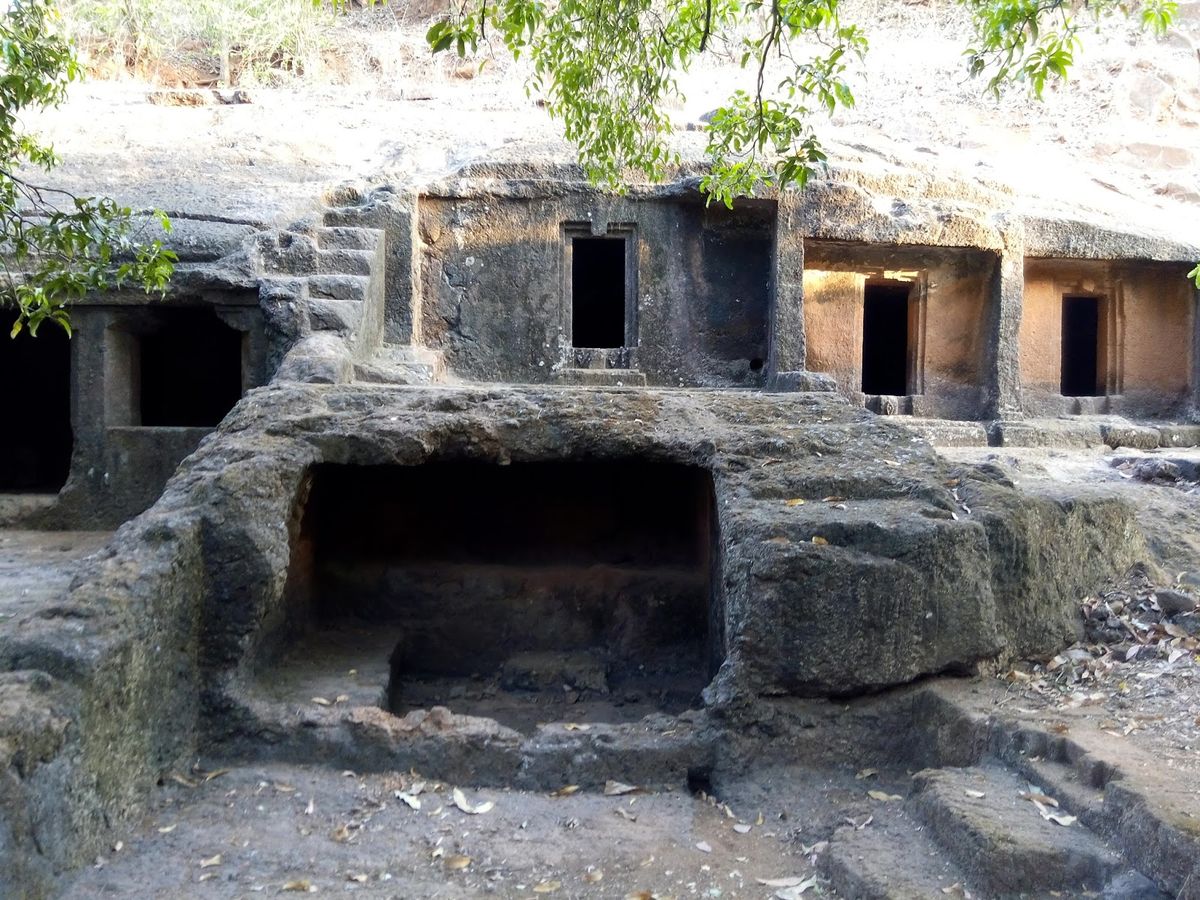
Rock-cut caves & carvings
Ancient viharas and hillside sculpture panels carved by the traders and monks who crossed the ghats.
History of the Kokan
From Roman spice ships to the Maratha navy, from Shilahara temple towns to today's village renaissance — the Kokan has always looked outward and come home again.
Timeline
200 BCE – 500 CE
Roman, Arab and Greek ships anchored at Kokan harbours to trade pepper, teak and cotton. Rock-cut caves and inscriptions along the ghats still mark the old trade routes inland.
800 – 1300 CE
The Shilahara dynasty ruled the coast from Thane and Kolhapur, building temple towns, water tanks and the stone deepmals that still stand in village courtyards.
1650 – 1750 CE
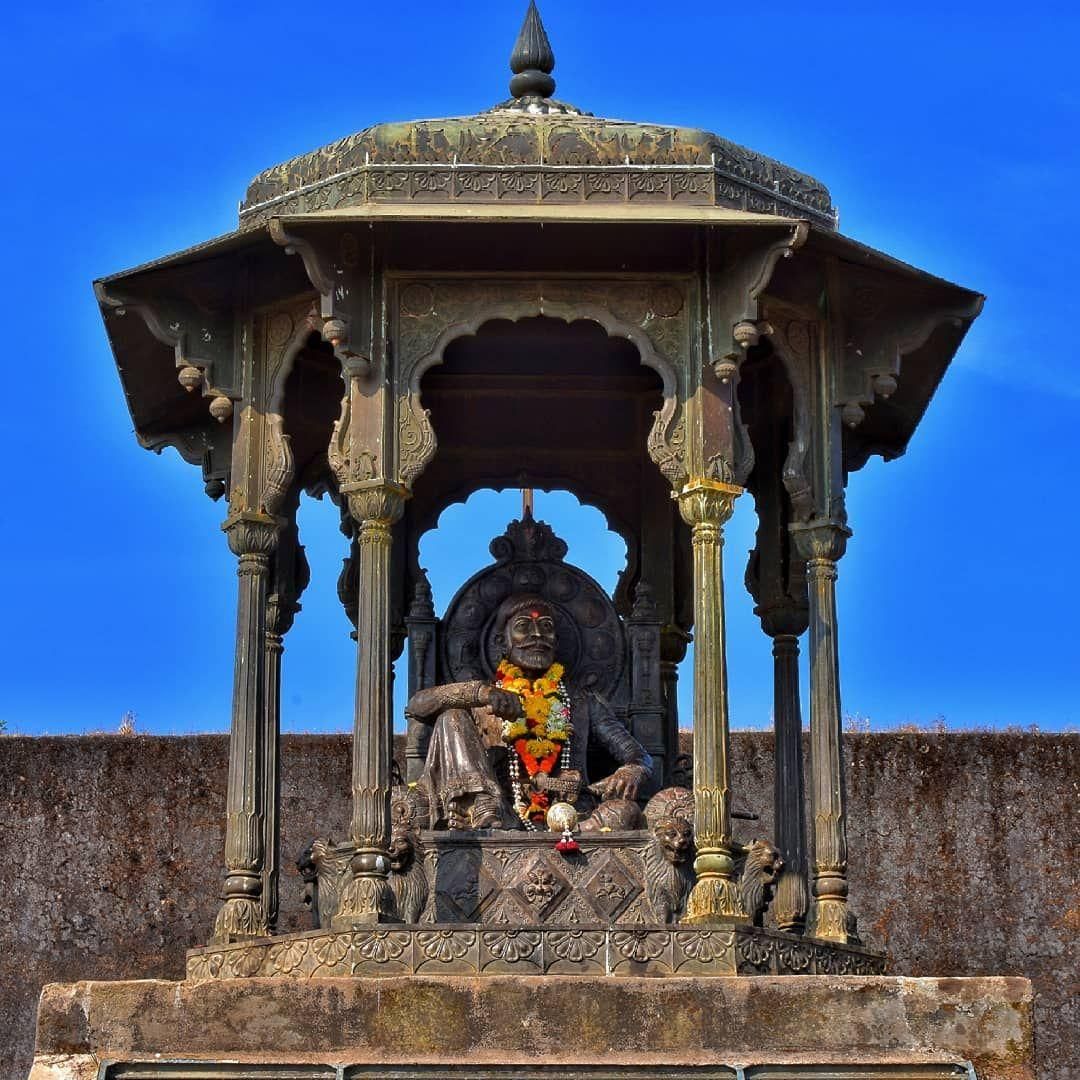
Chhatrapati Shivaji Maharaj raised a fleet and a chain of sea forts. Under Sarkhel Kanhoji Angre, Kokan ships held the Arabian Sea against every European power of the age.
1800 – 1947
Kokani families carried their skills to Bombay's mills and offices, sending money home to the wada. The region gave India reformers, jurists and freedom fighters.
Today
Alphonso orchards, homestays, agro tourism and returning youth — the coast is rebuilding prosperity at home instead of exporting it to the cities.
Living heritage
Ancient viharas and hillside sculpture panels carved by the traders and monks who crossed the ghats.
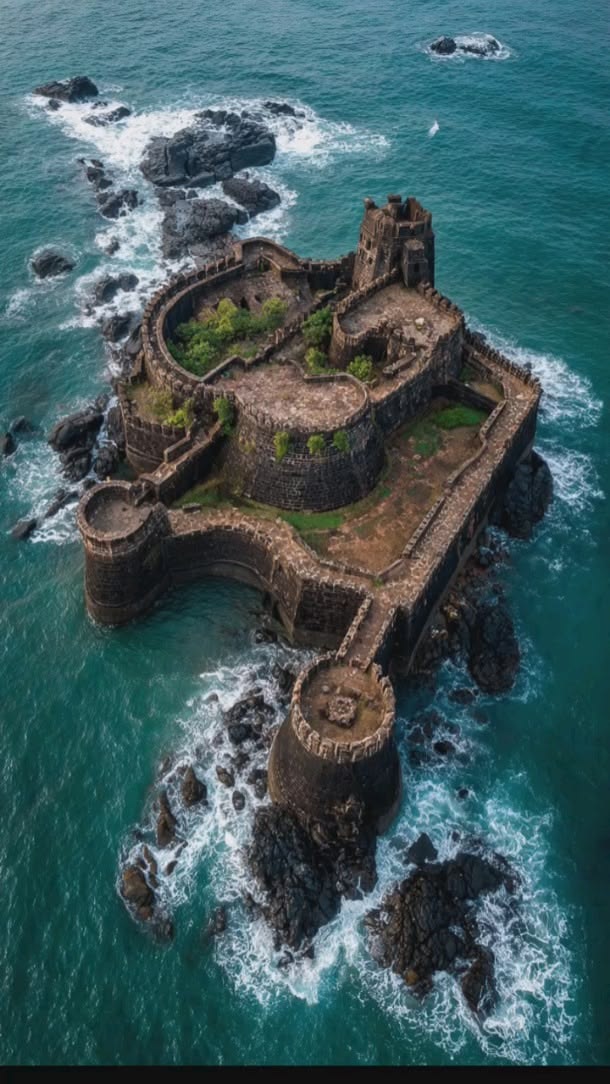
Shipyards at Vijaydurg and Harnai built the vessels that made Kokan a maritime power.
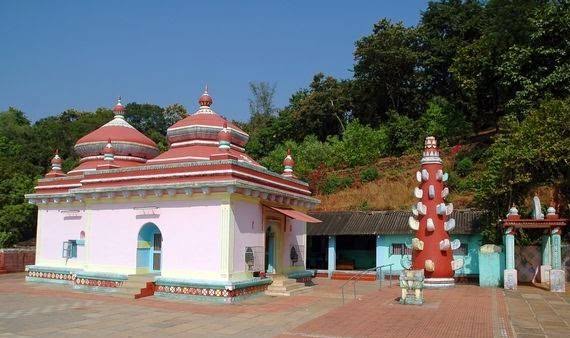
Sloping tiled roofs, carved teak pillars and deepmals — a temple architecture found nowhere else.
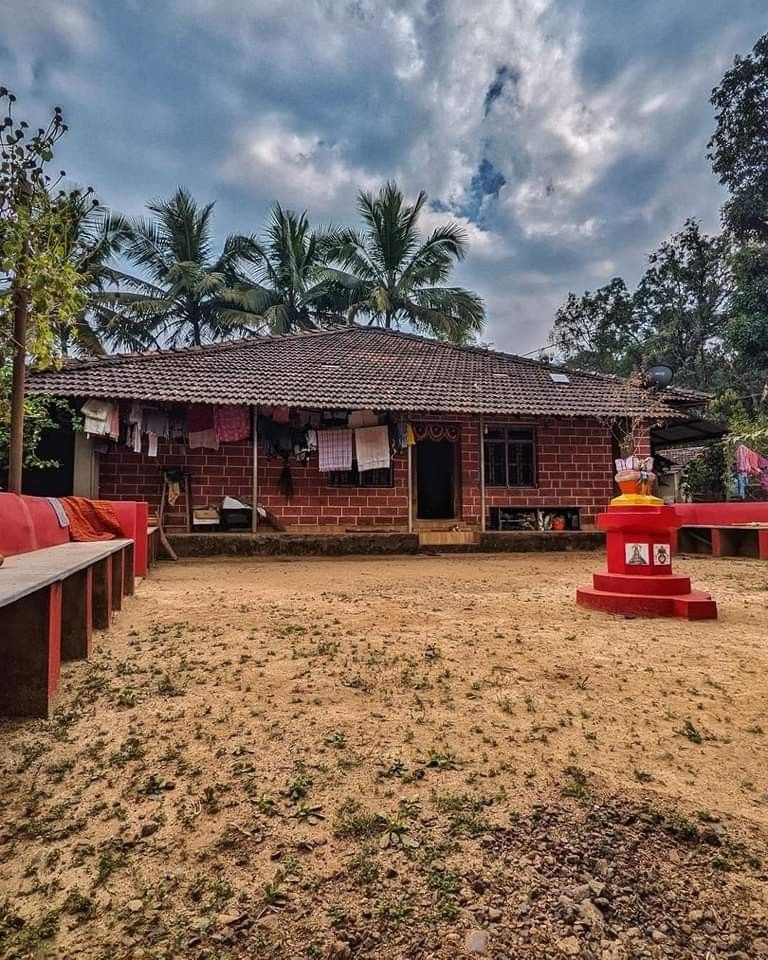
Red laterite walls, Mangalore tiles and a verandah swing: the classic Kokan family home.
Curated itineraries for schools, colleges, NSS units and history circles — forts, temples, shipyards and village archives with local historians.