
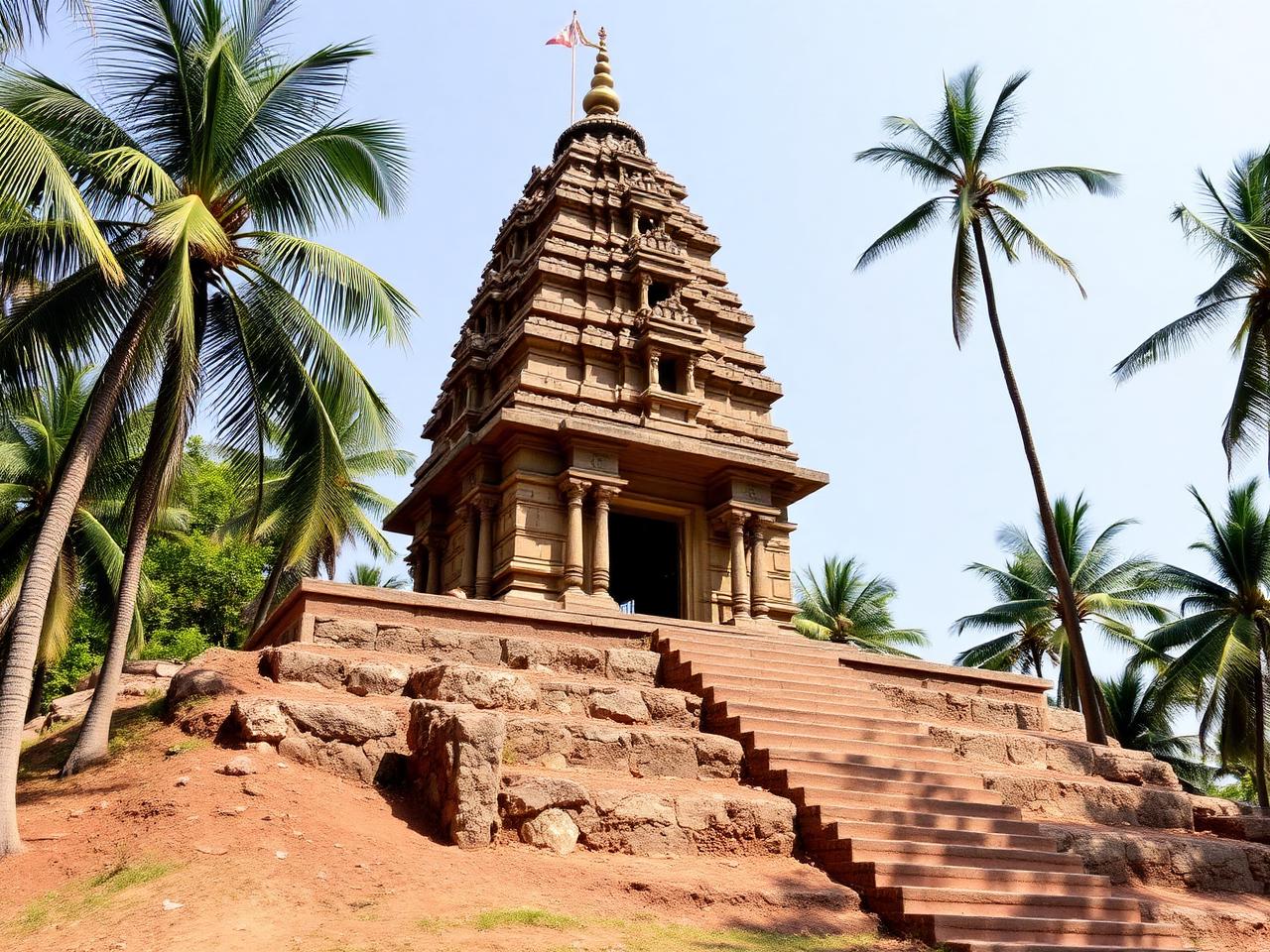
Parshuram Bhumi
The Kokan is traditionally revered as Parshuram Bhumi — the land believed to have been reclaimed from the sea by Rishi Parshuram. The belief still shapes how villages speak of their soil, their coast and their duty to protect both.
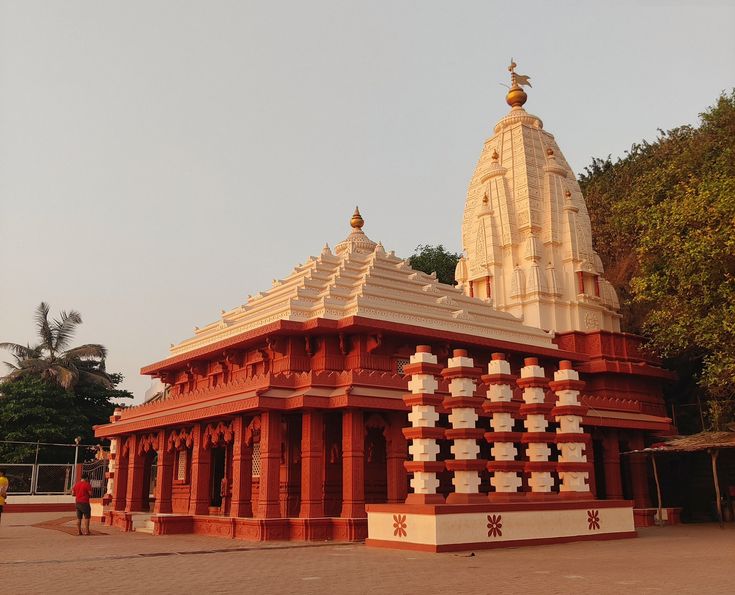
Religion & Faith
Temples, village deities and sacred groves are not attractions here; they are the working heart of Kokan community life. We visit them with respect and local guidance.
Four strands of faith
The Kokan is traditionally revered as Parshuram Bhumi — the land believed to have been reclaimed from the sea by Rishi Parshuram. The belief still shapes how villages speak of their soil, their coast and their duty to protect both.
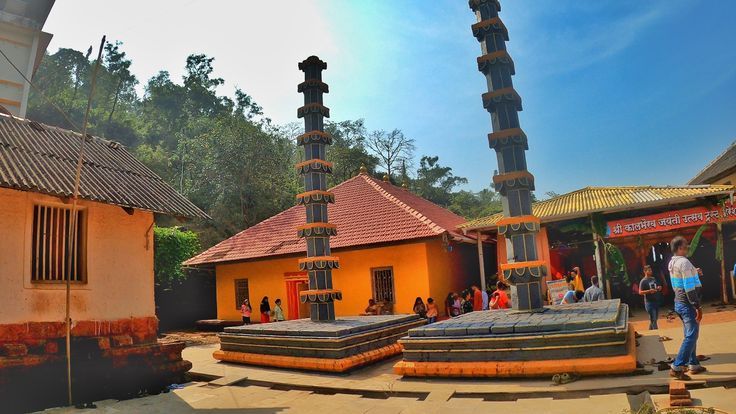
Sloping tiled roofs, carved teak pillars, stone deepmals and courtyards that double as village assembly grounds — a temple architecture particular to this coast.
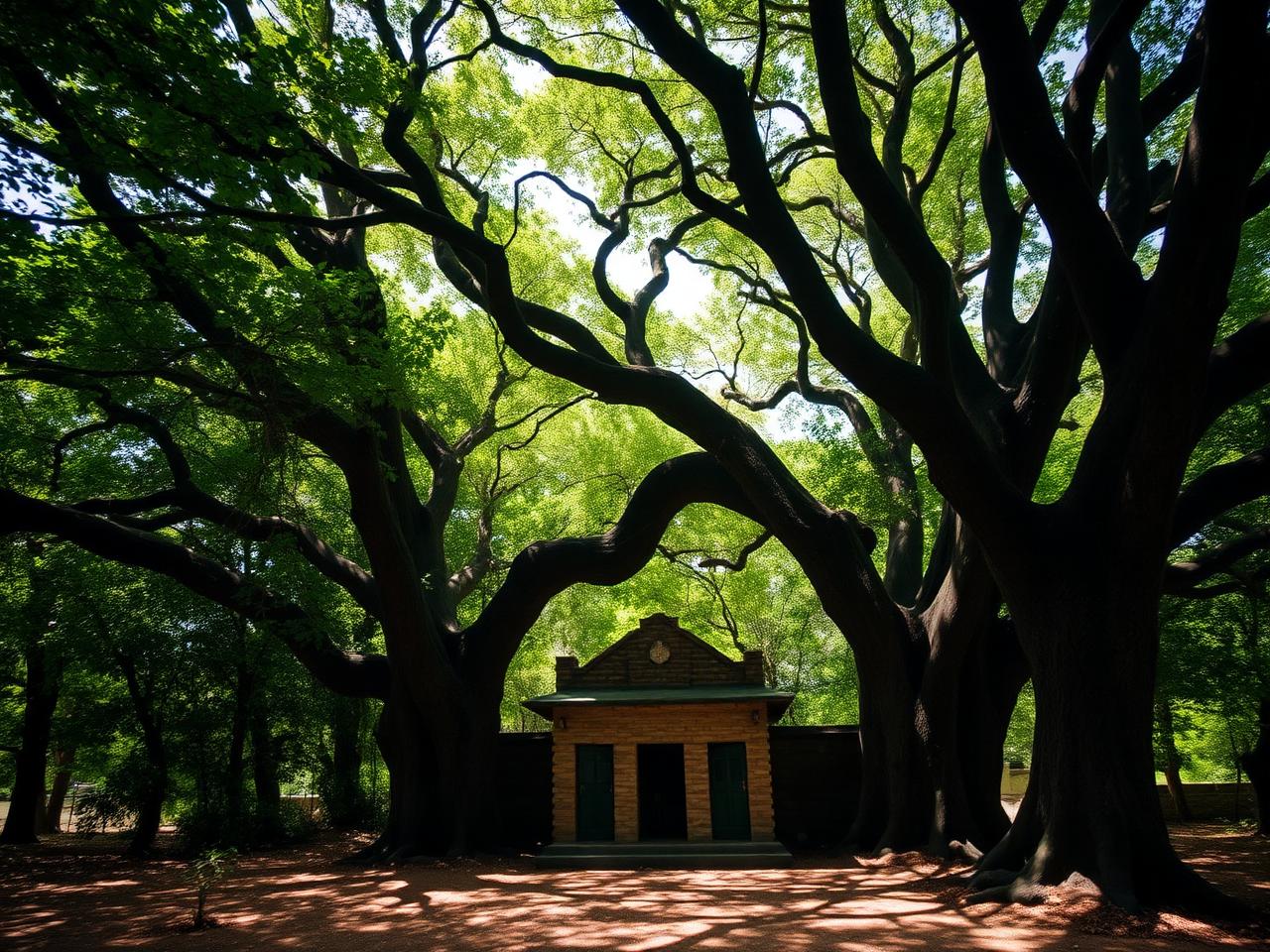
Patches of old-growth forest protected for centuries in the name of a deity. They are among India's oldest community conservation practices, and still hold rare trees and birdlife.
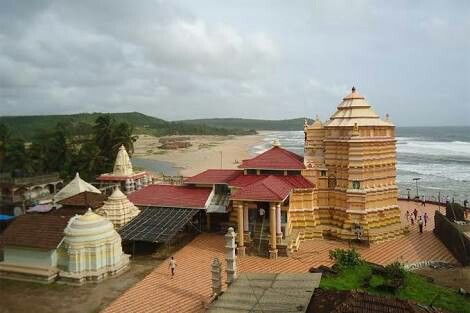
Almost every Kokan family traces itself to a kuldaivat. Homecomings, weddings and harvests are all marked at the village shrine first.
A short code we ask every guest and group to follow.
Small-group visits to Kokan temple towns, sacred groves and village shrines, hosted by families who have cared for them for generations.